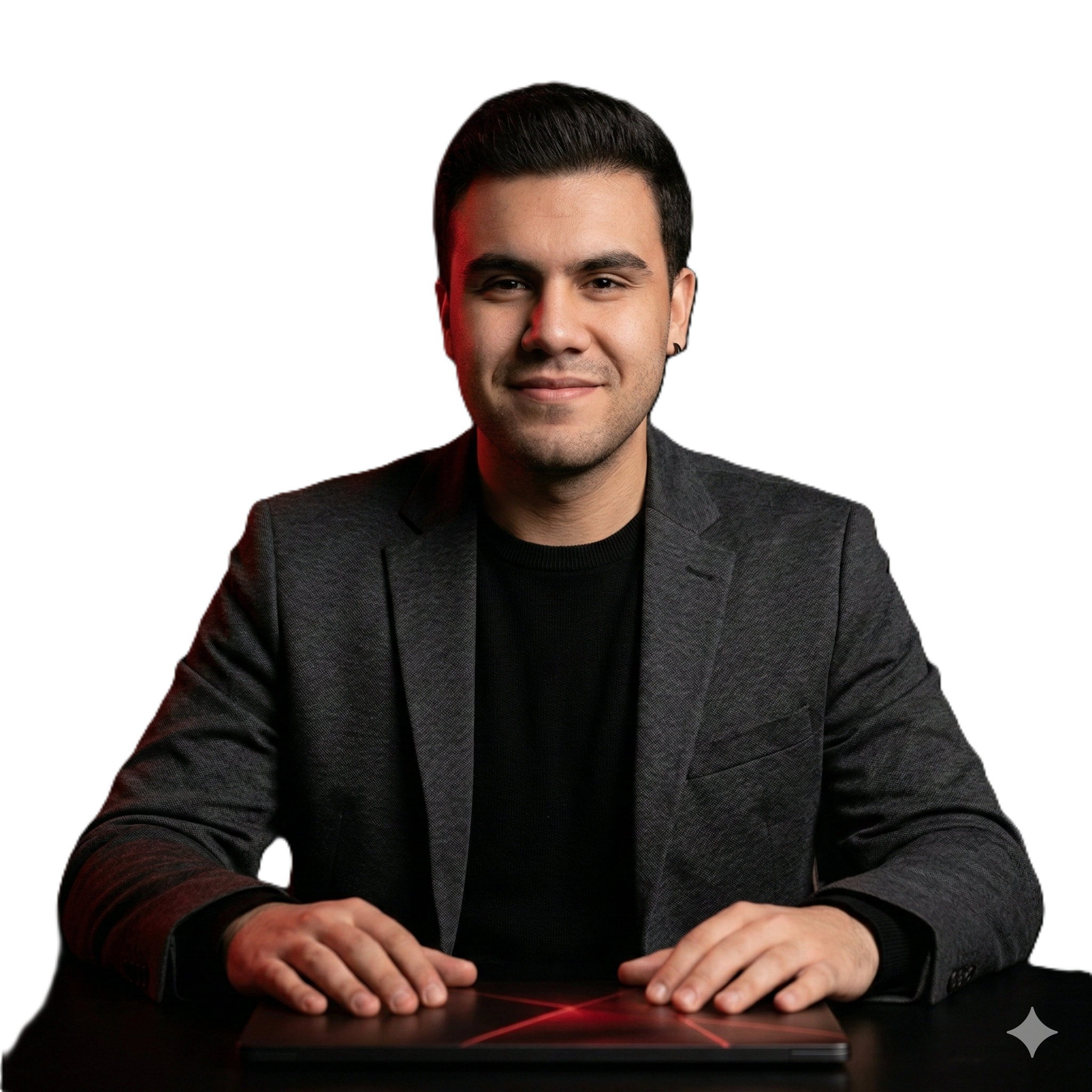
My name is Enes Efe Tokta. In 2023, I am a third-year student in the Department of Information Systems and Technologies at Atatürk University.
And yes, I'll be frank: We are afraid.
The Transformation of Software Ecosystem
As artificial intelligence transforms the world, one of the areas where this transformation is felt most acutely is the software ecosystem. This is especially true for us, software students and junior candidates who are just starting out in the profession.
Our fear is simple but profound: unemployment.
Because artificial intelligence can write code faster than us.
It can generate answers faster.
It can research faster.
And it's much less expensive for companies compared to a human resource.
The Creativity Argument
"They lack creativity," people say. That's true.
But let's be honest: how much creative space is given to a student or junior developer in today's market? Often, what's expected is not questioning, but completing the given task quickly and flawlessly.
"Don't learn to code."
— NVIDIA's CEO
At this point, the picture gets even tougher. Companies that thrive on AI products are aggressively shaping the market. NVIDIA's CEO's statement wasn't just a sentence; it was an alarm for our generation.
The Job Market Reality
When you add the job market shrinking after COVID-19, an ironic reality emerges:
- Companies require at least two years of experience, even knowing candidates are recent graduates
- Some don't even consider internships as "experience"
- Entry-level positions are becoming increasingly rare
- Competition for junior roles has intensified dramatically
The Result
As software students, we are heading towards graduation with ever-increasing anxiety.
The Current State of AI
Yes, today's AI can't completely replace a good programmer.
But let's be honest: it can replace a recent graduate.
I see this fear not only in myself, but in almost all my friends. We're all grappling with the same questions:
- Will there be jobs for us when we graduate?
- How can we compete with AI?
- Is our education still relevant?
- What skills should we focus on?
My Motivation for Overcoming This Fear
Despite these concerns, I remind myself of three crucial facts:
- Artificial intelligence is still not as creative as humans - AI can generate solutions, but it struggles with truly novel problems
- It cannot fully grasp the real world, context, and emotion - Human understanding of nuance and context remains irreplaceable
- It cannot generate intention - AI lacks purpose and direction; humans define the "why" behind solutions
The Paradox of Our Generation
The strangest part is this: Despite our fear, we are surrounded by artificial intelligence.
As Generation Z, we are the generation that uses AI most intensively:
- In research and homework
- In learning processes
- In problem-solving
- Even in our private lives
This Isn't a Contradiction
This isn't a contradiction; it's the pains of adaptation. The problem isn't the existence of artificial intelligence. The problem is that we were caught unprepared for the speed of this transformation.
The Real Question
Perhaps the real question is not:
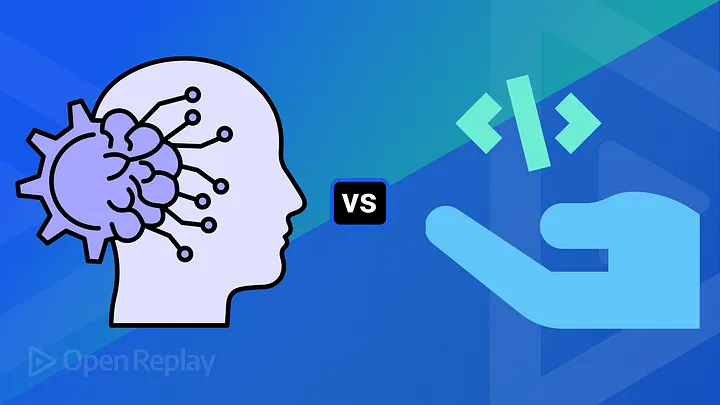
"Will artificial intelligence replace us?"
But rather:
"How can we create value together with artificial intelligence?"
The answer isn't easy. But it's very clear that those who don't ask this question won't have a say in the future.
Moving Forward
Instead of fearing AI, we must learn to:
- Collaborate with AI - Use it as a tool to augment our capabilities
- Focus on uniquely human skills - Critical thinking, empathy, creativity, and strategic vision
- Continuously adapt - The only constant in technology is change
- Build what AI cannot - Solutions that require deep understanding of human needs and contexts
Final Thoughts
We are not just competing with AI. We are learning to work alongside it, to leverage its strengths while contributing our uniquely human capabilities. This is our challenge, but also our opportunity.
The future belongs to those who can bridge the gap between human creativity and AI efficiency.
This is my perspective as a software engineering student in 2026. The fear is real, but so is the potential for growth and adaptation. We are the generation that will define how humans and AI work together.